
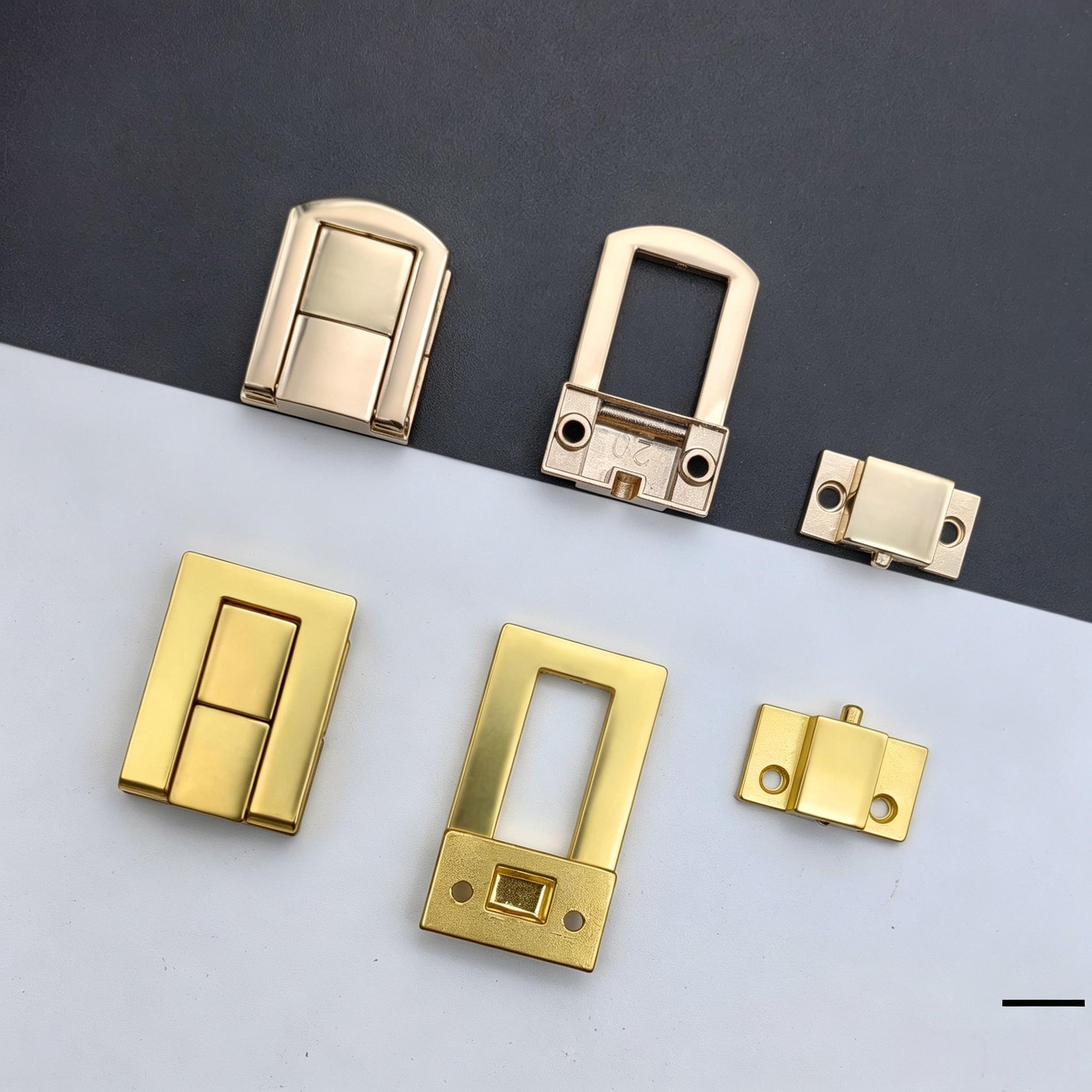
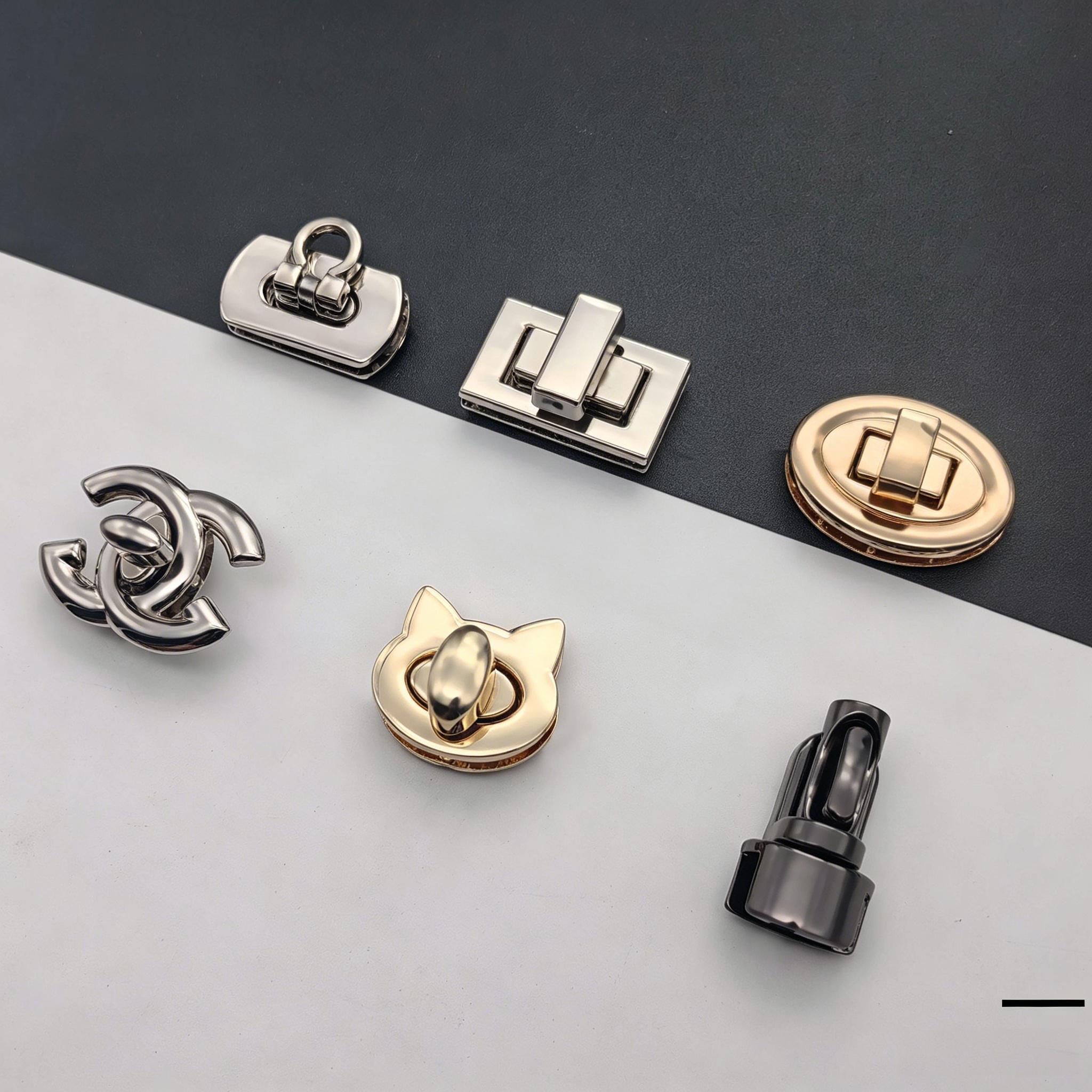
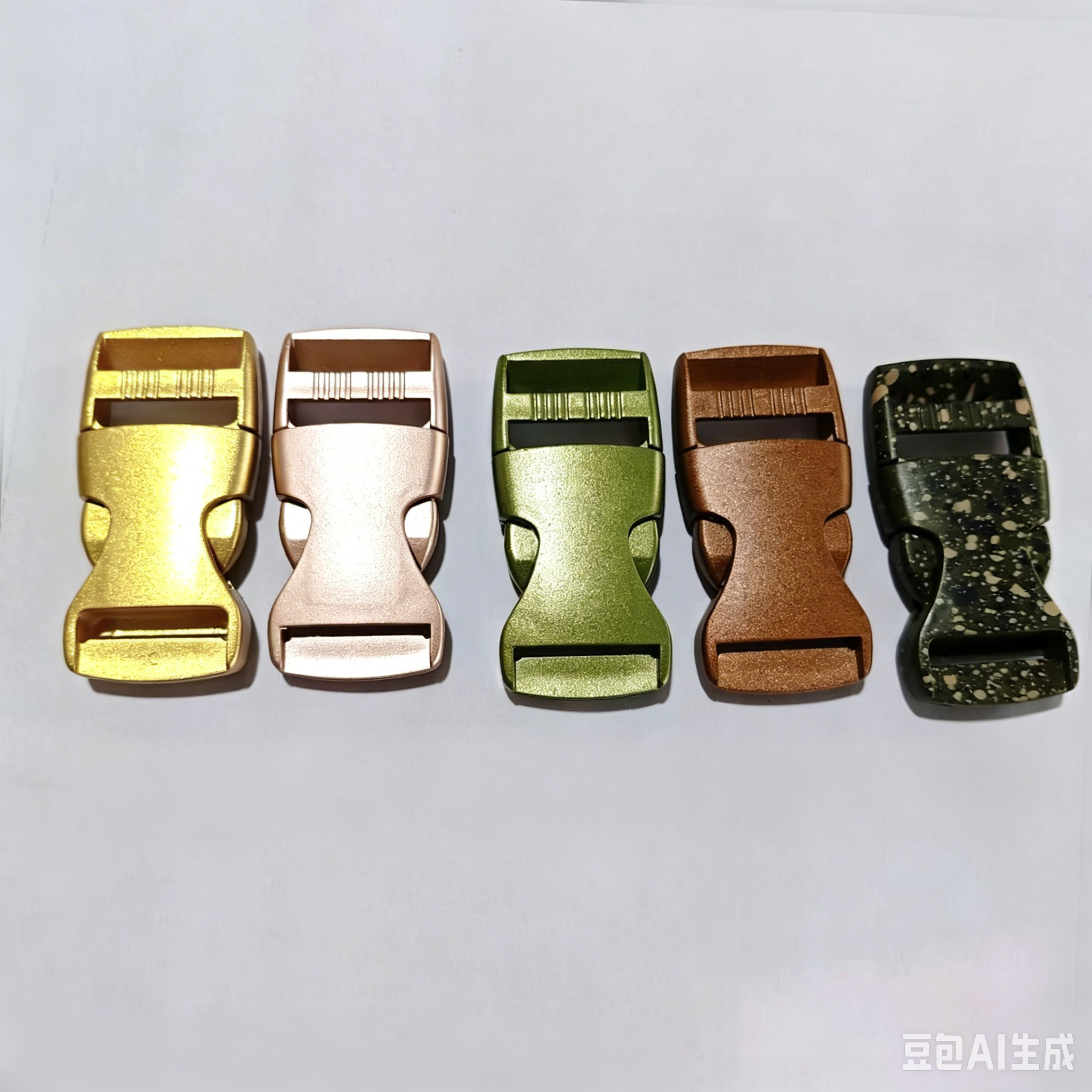
The buckle is one of the most-used parts of any backpack, bag or harness. Choosing the wrong one leads to slipping straps, broken clips and unhappy customers. Here is how product teams can pick the right buckle the first time.
Buckles are specified by the inner width of the strap slot: common sizes are 15, 20, 25, 32, 38 and 50 mm. Always measure the actual webbing thickness too — thick or padded webbing may need a larger slot.
Everyday bags work well with POM plastic buckles, which are light and quiet. For heavy loads, tactical gear or a premium look, choose zinc alloy or aluminium metal buckles. For outdoor and pet products exposed to water, use rust-free plastic or properly plated metal.
A logo moulded or engraved onto the buckle face is one of the most visible brand touches on a bag. Plan it early, because it is part of the mould.
Ask your supplier for samples and test them with your real webbing: pull strength, ease of release and noise. At WFJ Hardware we can supply samples from our buckles and adjusters range or develop a new design for you.
Send us your design and we will recommend the right hardware within 24 hours.
Get fresh home inspiration and helpful tips from our interior designers